The Hidden Dangers of Fad Diets, Trendy Eating Plans & Yo-Yo Dieting
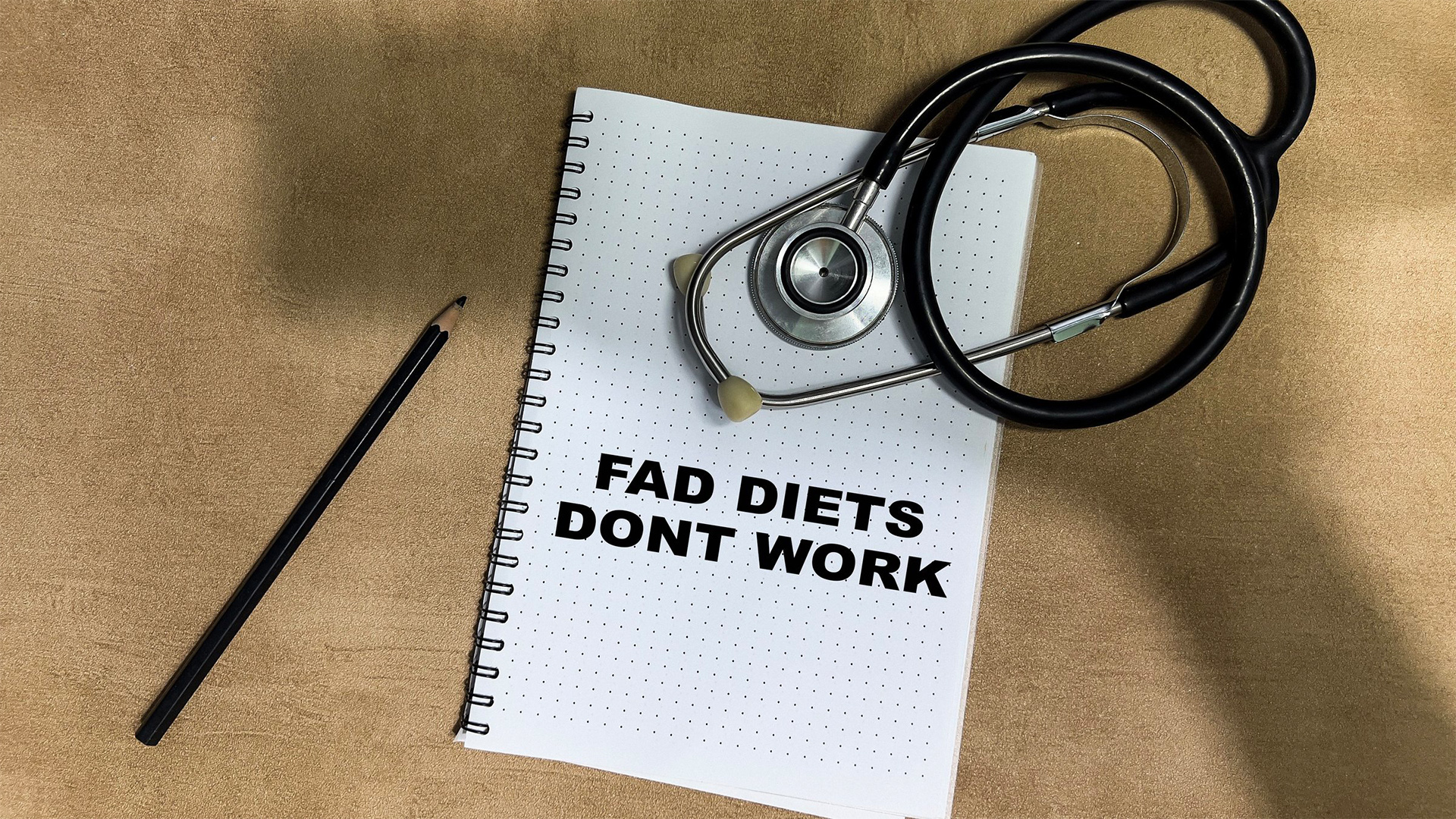
In the age of social media influencers, quick-fix health trends, and miracle weight-loss programs, it’s easy to get pulled into the whirlwind of fad diets, trendy eating plans, and yo-yo dieting. These diets often promise rapid weight loss, more energy, and even miracle cures. But what’s the cost of chasing these short-term results?
As a Certified Nutrition Coach and Registered Nurse, I’ve seen the long-term consequences of diet misinformation. Let’s break down the risks and realities of these popular yet potentially harmful approaches—and how real, science-backed nutrition coaching offers a sustainable solution.
🌀 What Are Fad and Trend Diets?
Fad diets are eating plans that gain popularity quickly, often promising dramatic results with little effort or scientific backing. Trend diets may appear more legitimate but often lack personalization and long-term sustainability. Examples include:
Keto
Paleo
Carnivore
Juice cleanses
Intermittent fasting (used improperly)
Detox teas or supplements
HCG and very low-calorie diets
Many of these approaches eliminate entire food groups, restrict calories to unhealthy levels, or rely on expensive supplements. While some may show short-term weight loss, they often fail to provide balanced nutrition or address the underlying behaviors and habits that support long-term health.
🎢 The Yo-Yo Dieting Cycle
Yo-yo dieting, also known as weight cycling, refers to the repeated pattern of losing weight on a restrictive diet, only to regain it (often with extra) once the diet ends. This cycle can continue for years, creating frustration, emotional distress, and physical harm.
Here’s what the cycle typically looks like:
Start a new diet →
Lose weight quickly →
Feel deprived or burned out →
Quit the diet and revert to old habits →
Regain weight (often more) →
Feel defeated and start a new diet →
Repeat…
⚠️ Hidden Dangers You Might Not See Right Away
While these diets may seem harmless—or even helpful—here are some serious risks that come with jumping on every new trend:
🧠 1. Mental and Emotional Health
Increased anxiety around food
Disordered eating patterns
Guilt, shame, or obsession with “good” vs. “bad” foods
Loss of trust in your body’s natural hunger and fullness cues
🍽️ 2. Nutritional Deficiencies
Restricting food groups or calories too heavily can result in:
Vitamin and mineral deficiencies (iron, calcium, B12, etc.)
Poor energy, brain fog, and weakened immunity
Digestive issues, brittle nails, hair thinning, and dry skin
💪 3. Loss of Lean Muscle Mass
Many rapid-weight-loss diets cause muscle loss, not fat loss. This lowers your metabolism and makes it harder to maintain a healthy weight long term.
❤️ 4. Increased Risk for Chronic Disease
Yo-yo dieting has been linked to:
High blood pressure
Elevated cholesterol
Insulin resistance and Type 2 diabetes
Inflammation and heart disease
🔍 Why Personalized Nutrition Coaching Is the Answer
The truth is: there is no one-size-fits-all diet. Your body, lifestyle, genetics, and goals are unique—and your nutrition plan should be, too.
As a Certified Nutrition Coach and RN, I help clients cut through the noise and learn:
How to fuel your body for your goals—not someone else’s
The importance of balanced nutrition: macronutrients and micronutrients
Why whole foods matter more than food fads
How to create sustainable habits, not restrictions
How to break free from the diet-binge-guilt cycle
Whether your goal is to lose weight, manage chronic conditions, or feel your best, sustainable nutrition is the foundation.
🌟 Final Thoughts: You Deserve Better Than a Trend
Fad diets and yo-yo dieting may seem like shortcuts, but they often lead to long detours in your health journey. Real, lasting change comes from understanding your body’s needs, building a positive relationship with food, and making choices that align with your life—not fight against it.
Your health isn’t a trend. It’s a lifelong investment. And you deserve to thrive.
Click HERE to schedule your Complimentary Consultation.